Tag: insurance survey

  • Insurance Survey of Swan 36 at Emsworth Yacht Harbour

    Insurance Survey of Swan 36 at Emsworth Yacht Harbour

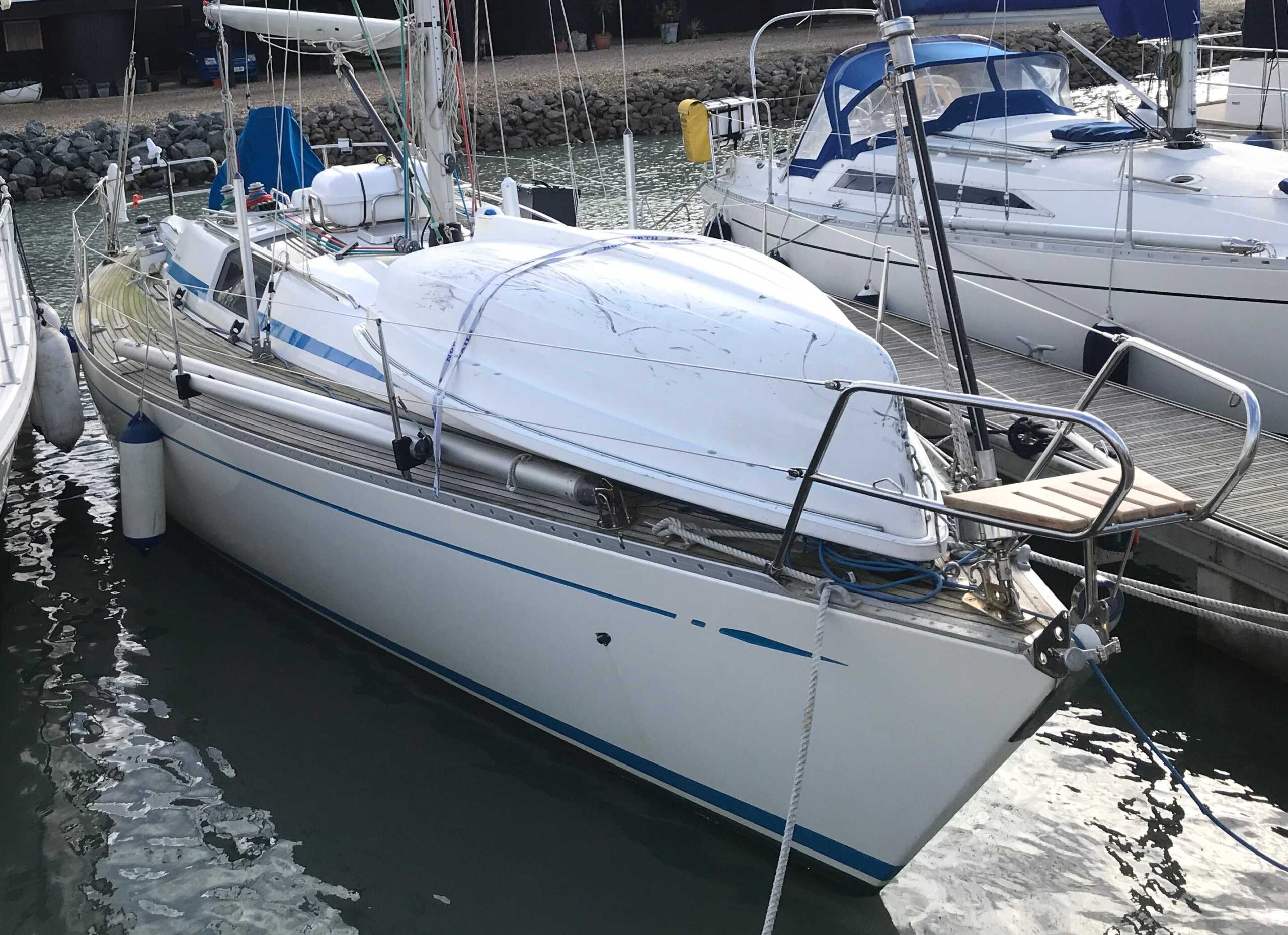
    Today’s survey took place with the vessel afloat and on her pontoon berth at Emsworth Yacht Harbour, Hampshire, UK. In a few weeks the boat will be lifted ashore for maintenance work. When she’s ashore I can continue with the rest of my survey, but t.oday’s inspection concentrated on the below-decks structure and systems.

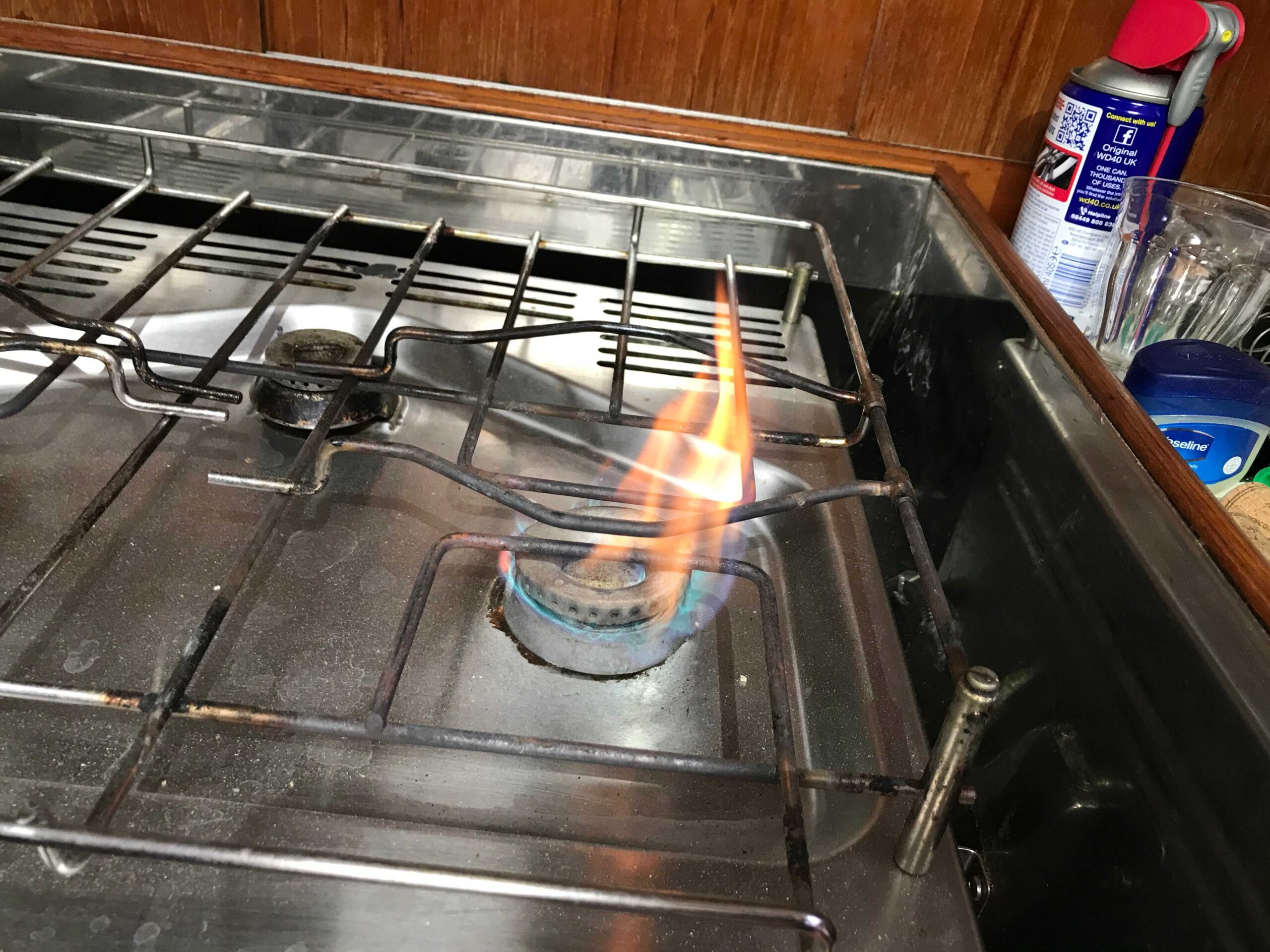
    This Swan 36 was designed by German Frers and built in 1989. She benefits from having been re-engined less than two years ago with a Volvo Penta D1-30F. Here inventory was mostly up-to-date, but as with most boats, there are always items that get neglected because they are thought to be serviceable. With a boat that is over 30 years old and has been well used, there will also be items that are wearing out and are due for replacement. For example, one of the flame heads on the galley cooker was distorted, giving a very poor flame pattern.

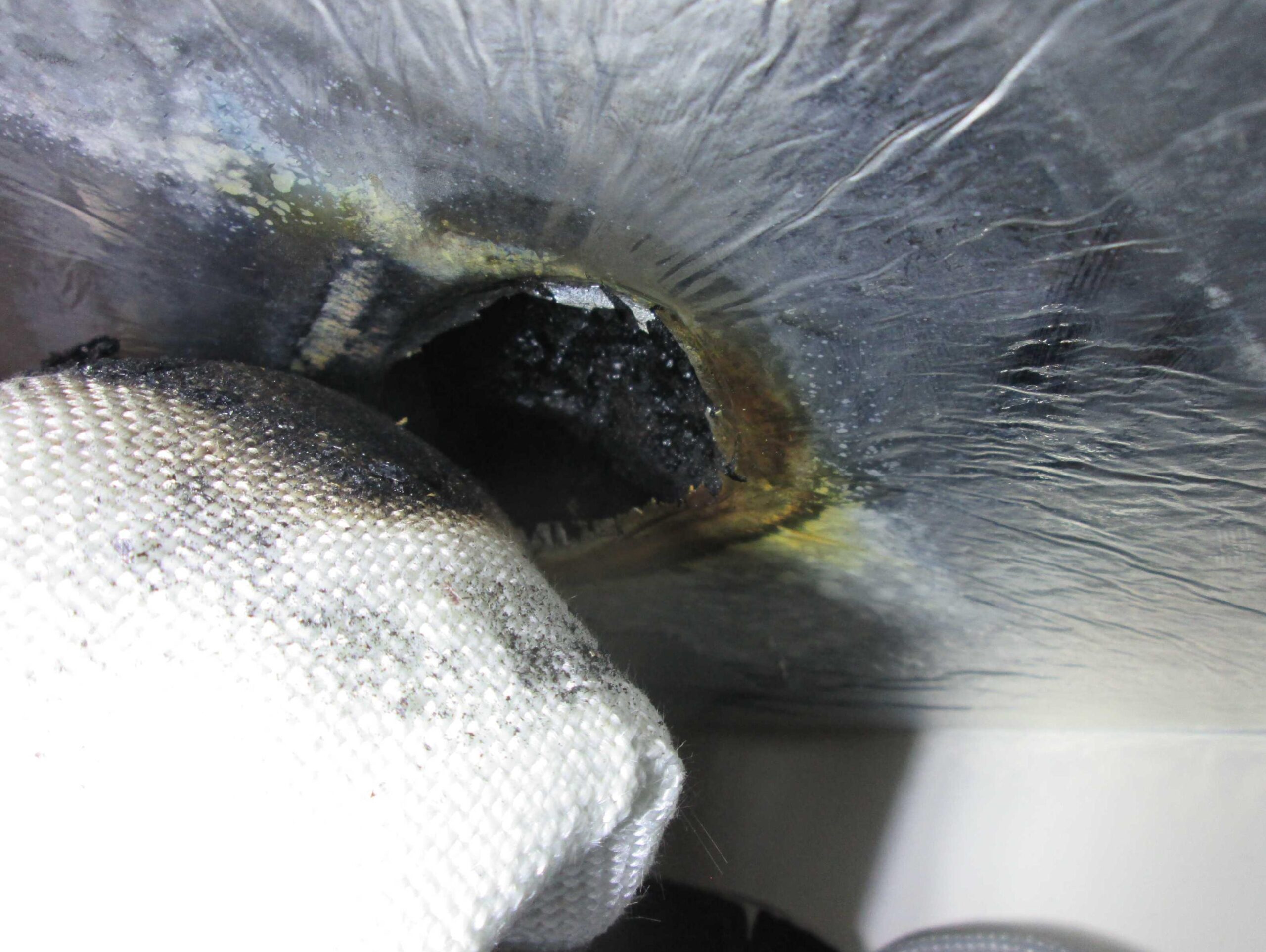
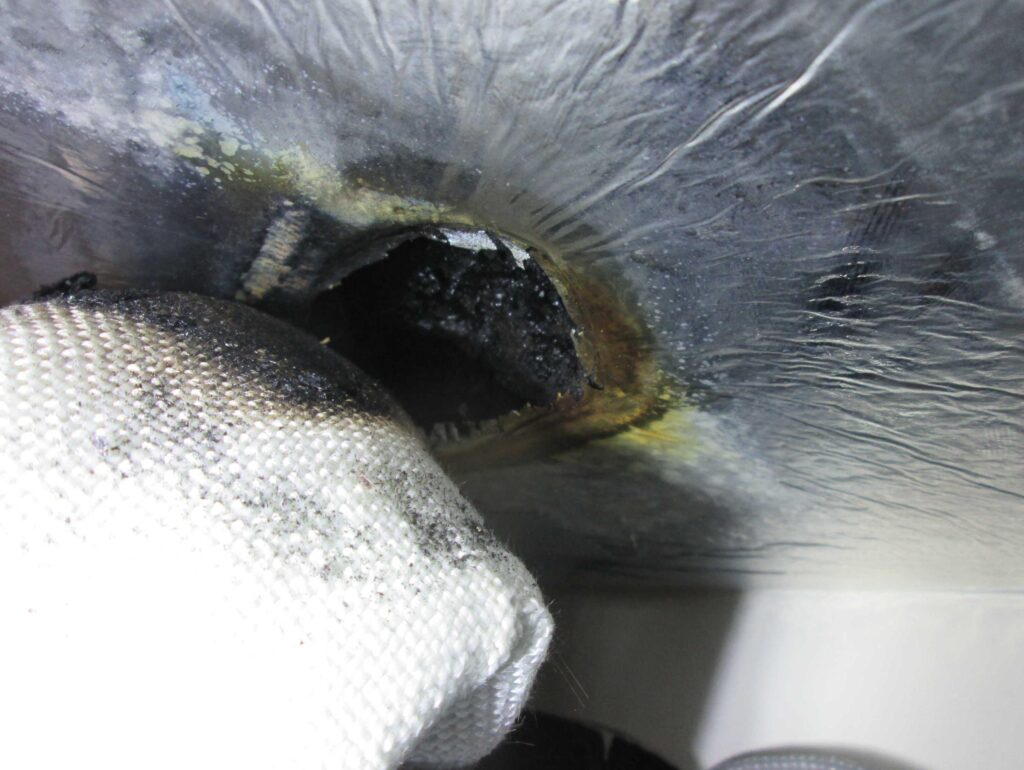
    Inspection of the Eberspächer diesel-powered space heater was difficult as the exhaust pipe was mounted high up inside the transom space, behind the aft cabin. This space was only accessible through a narrow hatch. The exhaust pipe of this heater was secured to the skin fitting with a rusty carbon steel clamp. These should always reconstructed from stainless steel. The stainless steel pipe was corroded too, indicating that it was overdue for replacement.

    Beneath the sole boards of the saloon and just aft of the keel supporting structure, one crack in the laminate was found to be extending aft from a limber hole. This crack extended into the laminate to a depth of 2 to 3 mm. Once the vessel is lifted ashore, I will be taking a close look at the underside of the hull in this region.
  • Insurance Survey of Princess 45

    Insurance Survey of Princess 45

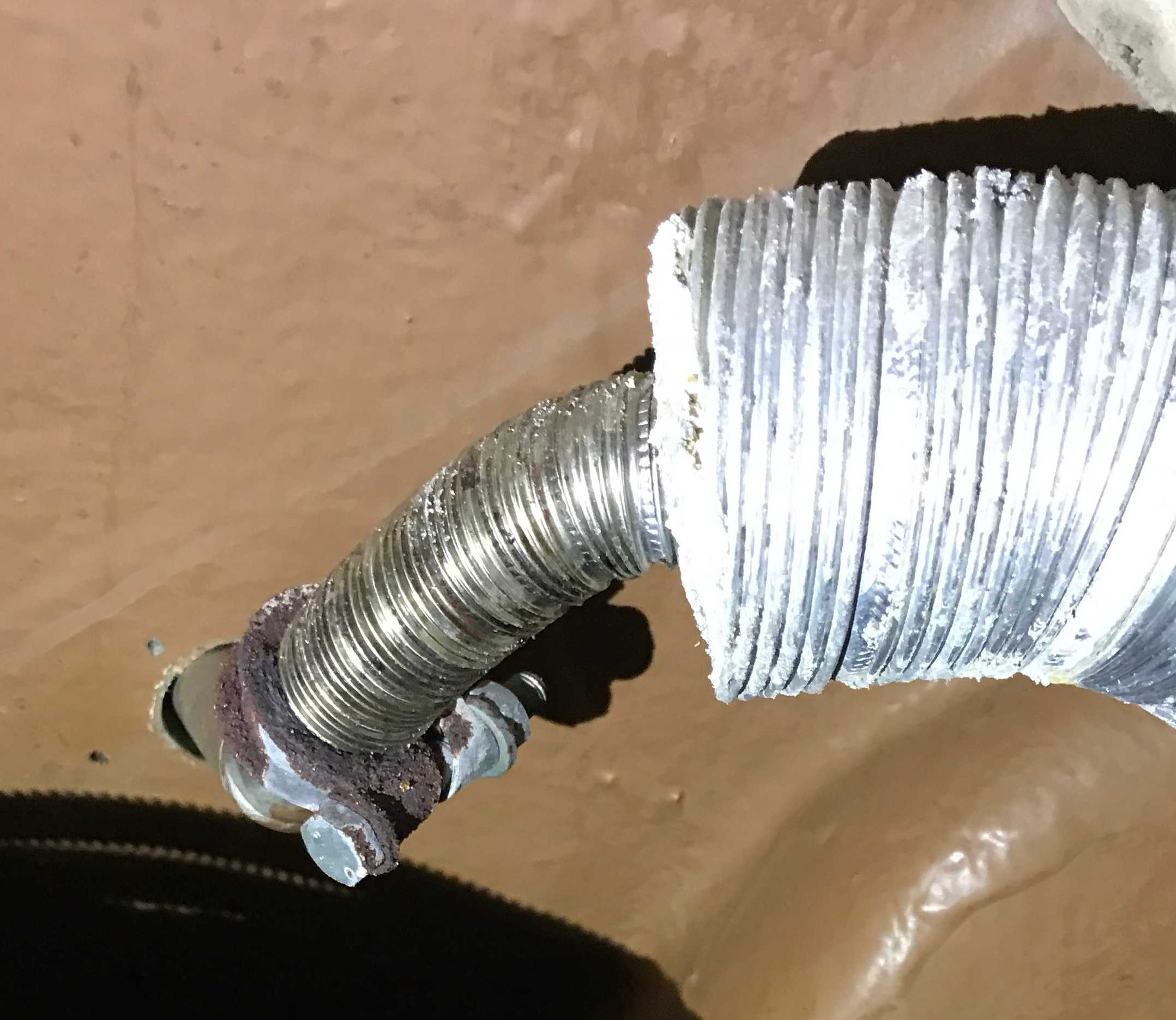
    After a few delays with the lifting hoist, this Princess 45 Flybridge Cruiser was safely lifted for the inspection of the underwater parts of the hull & propulsion equipment. Once it was found that all hull anodes were in need of replacement, it was decided that she would remain ashore for the next few days. This was quite fortunate for me because the subsequent testing of the through-hull valves resulted in the fracture of one of the underwater fittings. If the vessel had been afloat, this find would have at least given me a partial soaking. I always keep a range of softwood bungs in my toolbag for such an eventuality.

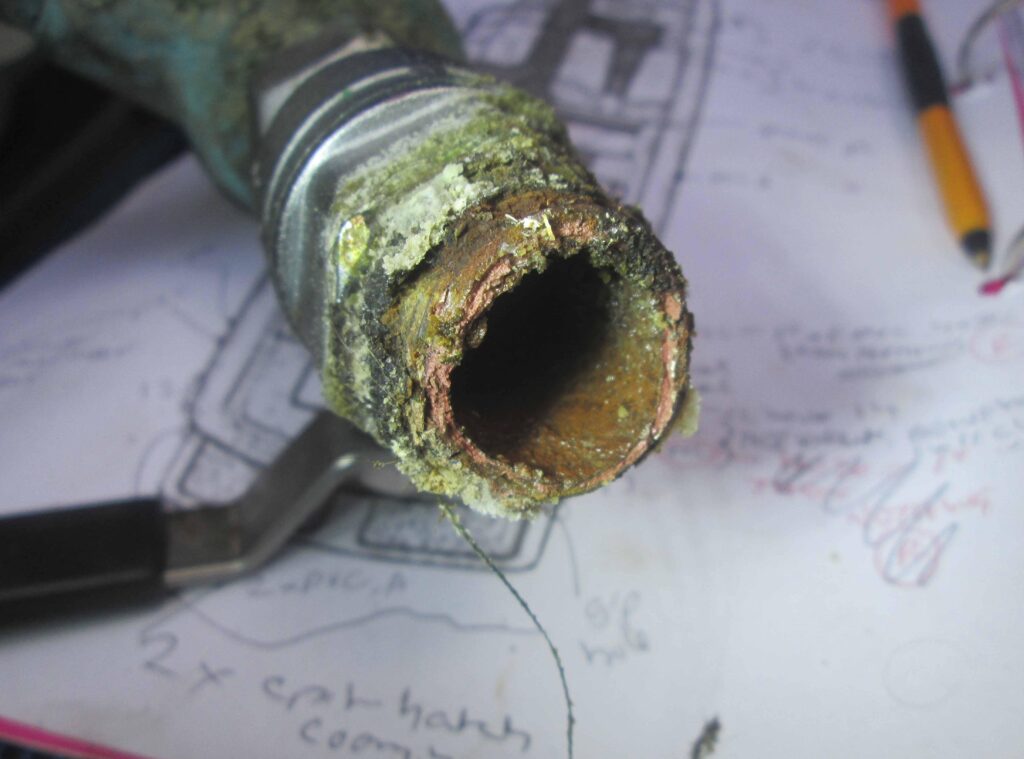
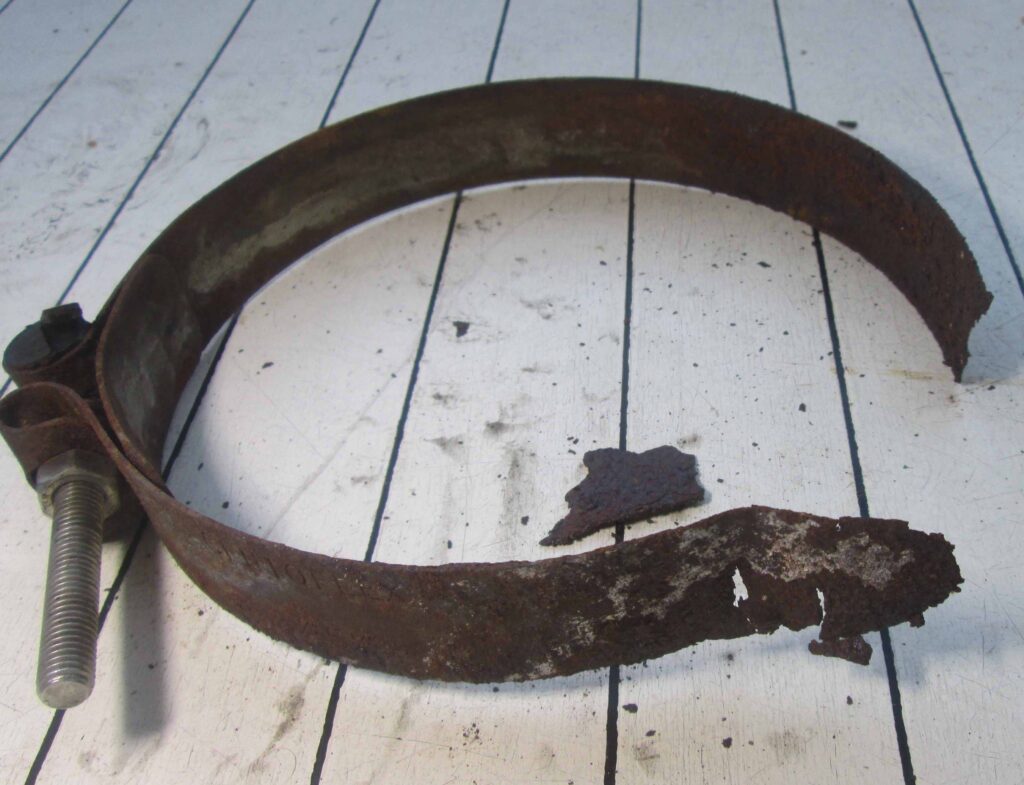
    It’s not just the underwater parts of the boat that suffer from corrosion. Even in the relatively dry atmosphere of the engine compartment, metallic parts will still corrode, particularly if they are made from mild steel. The corroded exhaust hose clamp shown below was one of a pair that secured a length of exhaust hose to the exhaust elbow of the starboard engine. Not particularly unusual for an engine of this age, but to leave these hose clamps to decay and fail, even after a fairly recent engine service, is leaving the engines at risk of failure.


  • Safe Installation of Diesel Heaters on Yachts

    Safe Installation of Diesel Heaters on Yachts

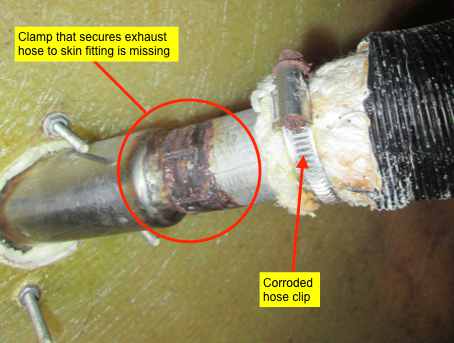
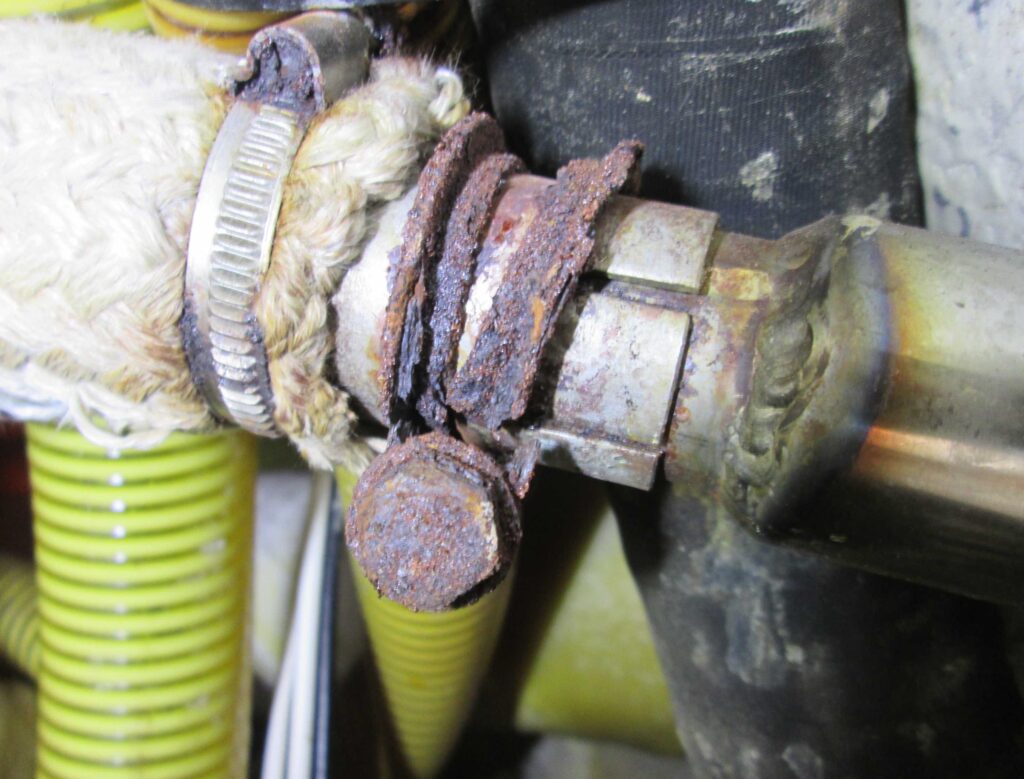
    There’s a wide choice of good quality diesel-powered space heaters these days, but in my surveys, I often find that the problem lies with the quality of the installation of the heater units. The positioning and securing of the lagged exhaust pipes is not always up to standard: Poor quality pipe clamps, missing pipe clamps (or maybe they corroded and fell off) and lagged pipes positioned too close to compartment insulation or GRP mouldings. The attached photos show just some of the nasties that I have found in cockpit lockers and engine compartments. The photo of the missing clamp was taken shortly after the unit had been serviced by an authorised agent. If I hadn’t found this defect during the survey of the vessel, the boat may well have sailed for another ten years without the Owner being aware that his heater was poorly installed and in an un-safe condition.

    Maybe the manufacturers of these products could take an idea from the Defence & Aerospace Industry: Where threaded fasteners are used to secure an item, these are often of the ‘captive’ variety. This means that when the screw is un-fastened, it won’t fall out and disappear inside the aircraft, submarine, or in the case of boat heaters, into the bottom of a wet, dark bilge. Judging by the quality of some of the non-stainless steel hose clamps that I have seen on heater exhaust pipes, I can only assume that the Fitter has lost the original pipe clamp in the vessel’s bilge, or in the back of his van, and has simply fitted an inferior equivalent clamp. If the original clamps were integral to the heater unit and the skin fitting, there would be no chance of these crucial items going missing and this would reduce the likelihood of poor quality clamps being used in their place. These would cost more to manufacture, but it would be justifiable in passing this cost on to the consumer as the durability and security of these clamps is of significant importance when ensuring that the heater units remain safe throughout their life.

    Whether my survey inspection finds the diesel heater unit to be well installed or poorly installed, I always recommend that the vessel is fitted with one or two Carbon Monoxide alarms. These units are a potential life saver, but they are no substitute for a correctly installed and well maintained fuel-burning heater unit.